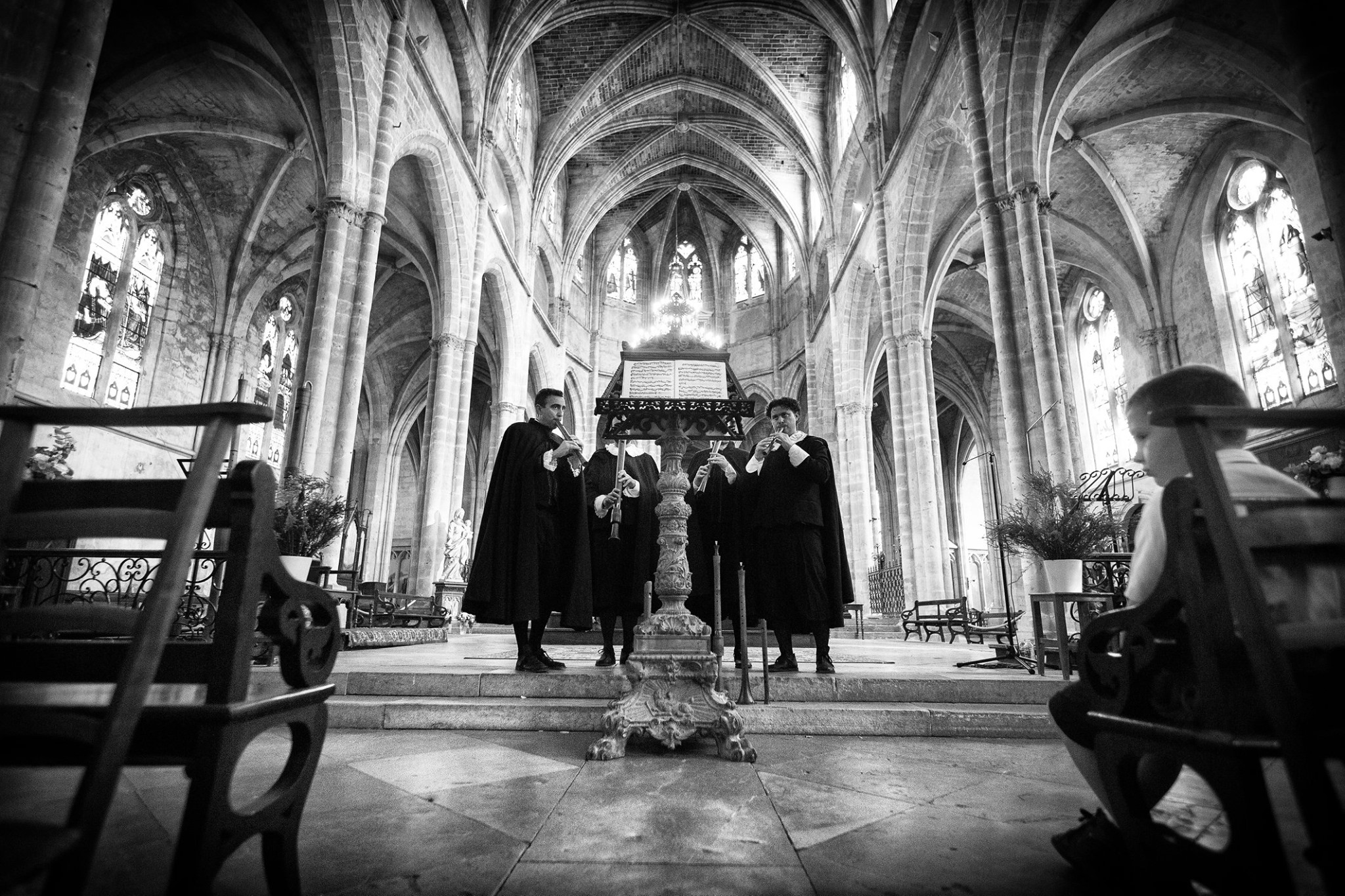
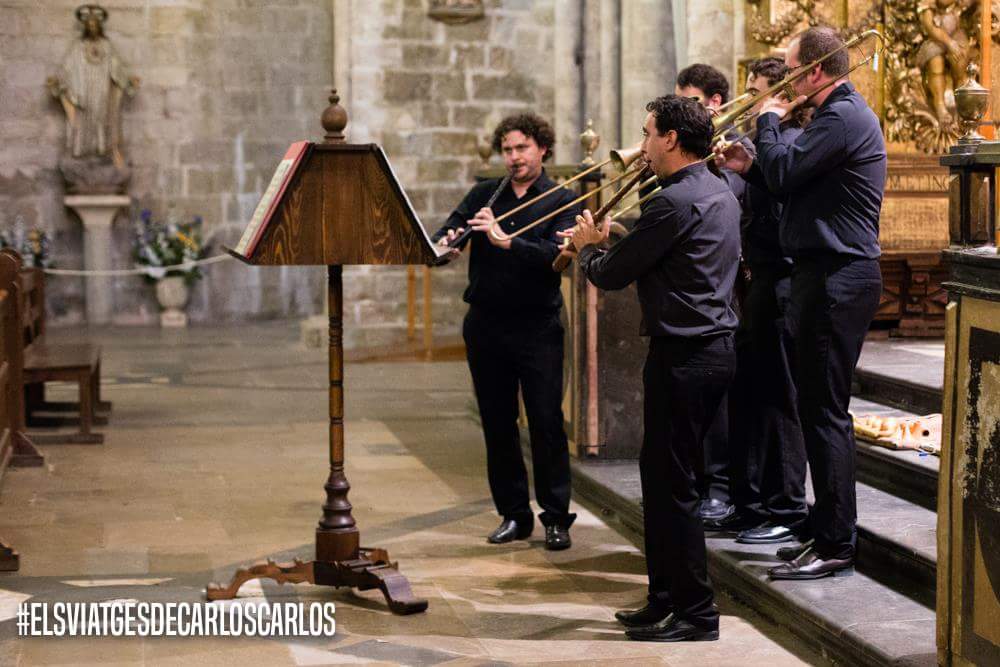
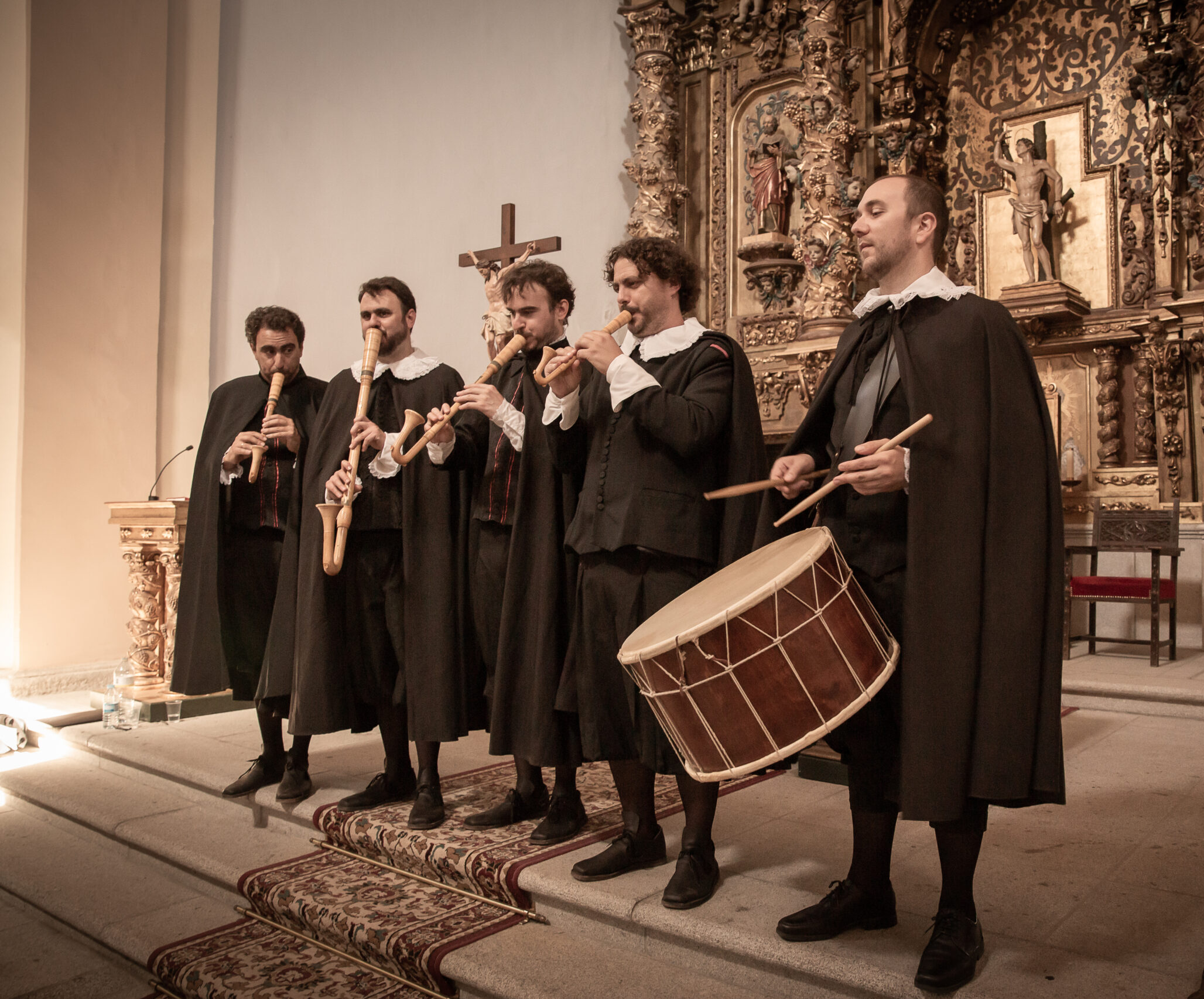
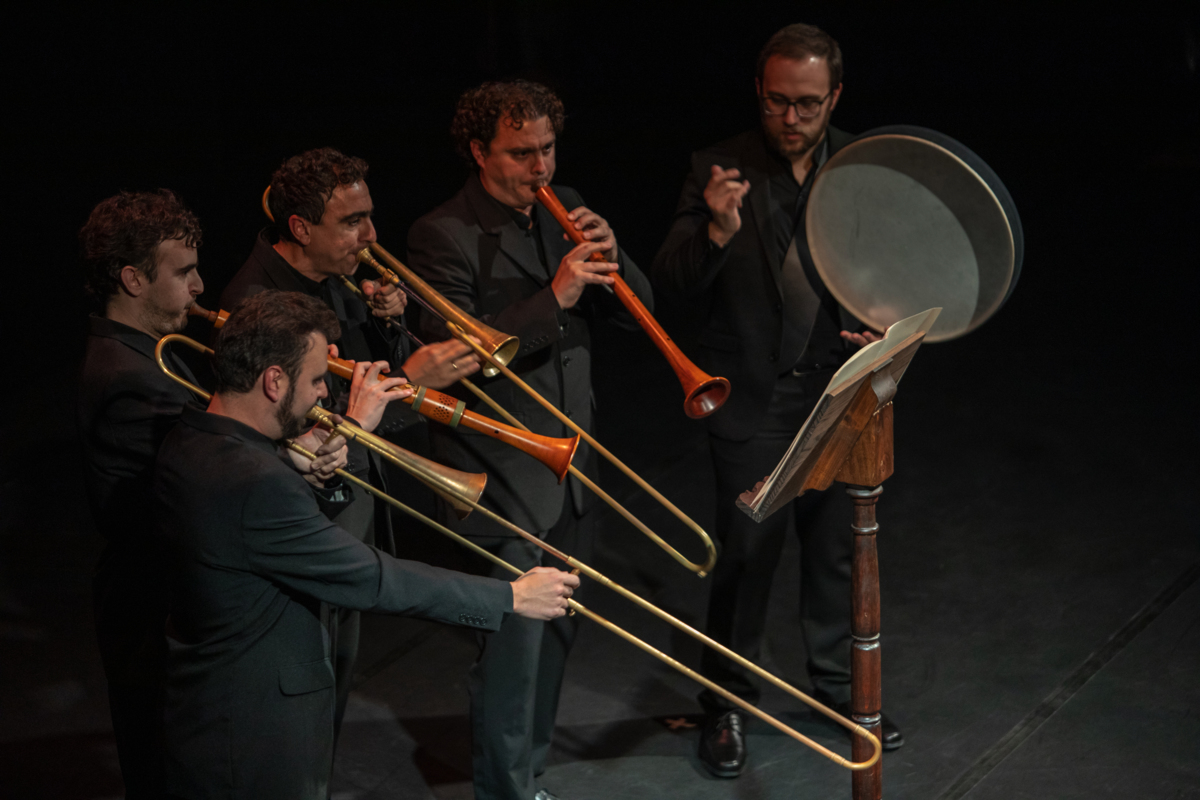
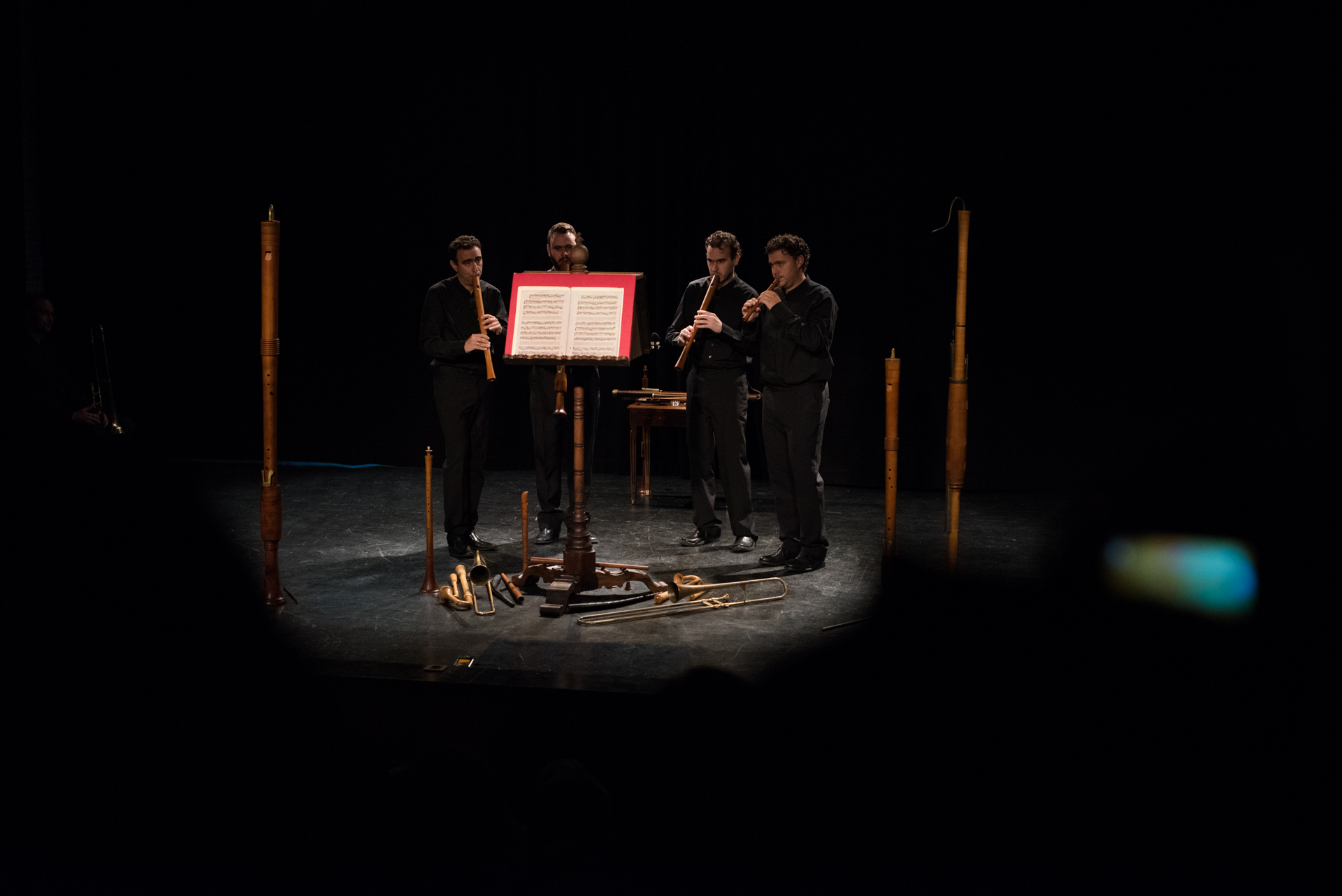
La Danserye was established in 1998 in Calasparra (Murcia, Spain) with the objective of researching, recreating, and disseminating music and wind instruments from the late Middle Ages to the early Baroque period, specializing in the Renaissance era. All its members are dedicated to the research and reconstruction of wind instruments, having set up their own workshop from the beginning. They have completed their training as performers with renowned professors through various courses and masterclasses, including Jean Tubéry, Josep Borràs, Douglas Kirk, Renate Hildebrandt, Jordi Savall, and Jeremy West. Currently, they possess the most important collection of Renaissance instruments in Spain and one of the largest in Europe, comprising more than fifty different instruments from all families. They also show a keen interest in the world of ministriles and the role they played in the cultural landscape of the 16th and 17th centuries, undertaking research with musicologists such as Juan Ruiz Jiménez, Javier Marín López, Douglas Kirk, and Michael Noone, among others.
They currently focus on performing music from a historically informed perspective, combining various aspects of research and interpretation to offer a high-quality musical product with the utmost historical accuracy. In this regard, La Danserye has participated in numerous specialized festivals and series in Spain, France, Belgium, the Netherlands, Mexico, and Colombia, primarily developing projects related to the recovery of Hispanic musical heritage, an area to which they are highly dedicated. Since 2012, four of these projects have been recorded, marking the first worldwide recordings of music preserved in Spanish and Latin American archives, with special attention to the repertoire preserved in the cathedrals of Puebla and Mexico. All recordings have received excellent reviews in musicological and art history journals worldwide, leading to the ensemble being considered “the most significant modern exponent of Renaissance instrumental music” (Douglas Kirk, Revista Española de Musicología, 2014).
In 2013, they founded Capella Prolationum, a vocal laboratory aimed at recreating musical practices in Hispano-American chapels from the 15th to the 18th centuries. With this group, they have undertaken various musicological recovery projects presented at the Úbeda and Baeza Early Music Festival, Fundación Juan March, Cuenca Religious Music Week, Granada International Music Festival, Bogotá Sacred Music Festival, among others. Since 2013, they have been the ensemble-in-residence at the Úbeda and Baeza Early Music Festival.