
YO TE QUIERE MATARE: Ministriles in Granada in the 16th century
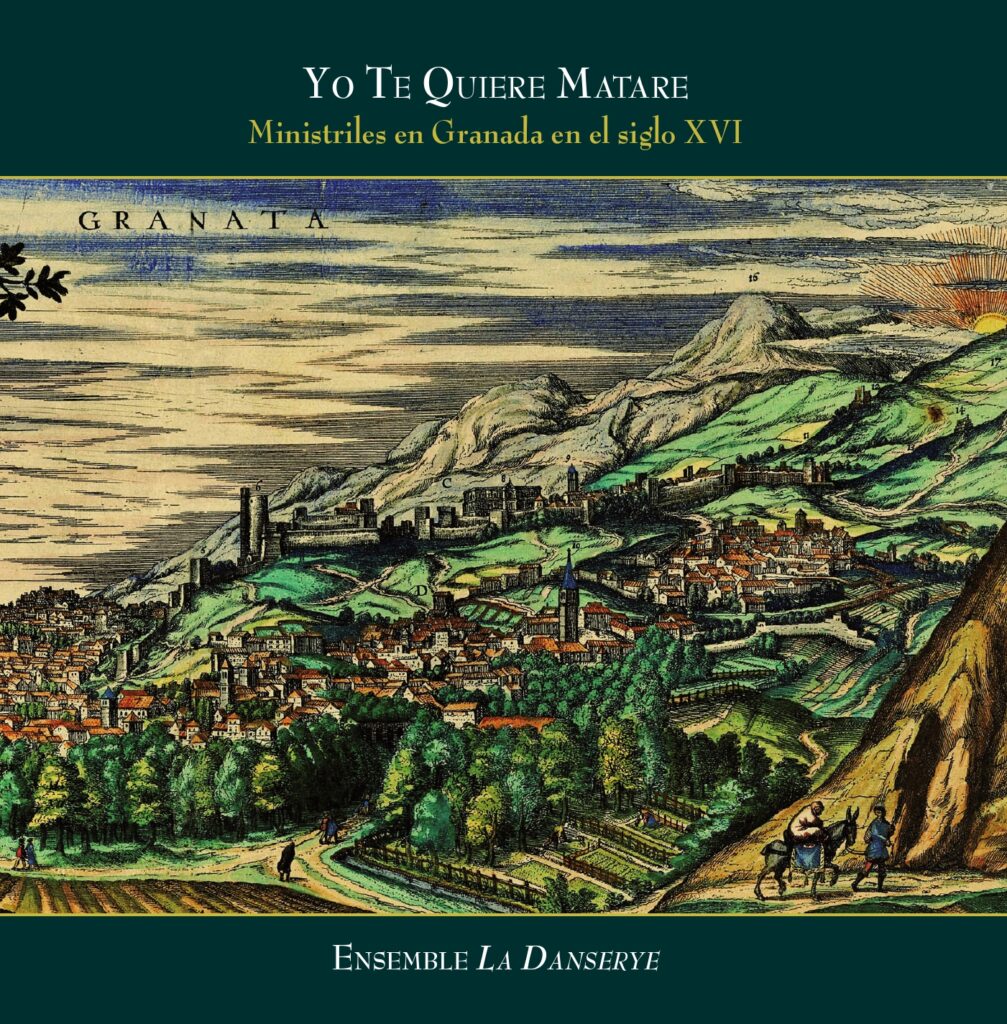
The idea behind this recording is a musical stroll through the urban spaces in Granada where minstrels used to perform. The route was laid out by selecting a number of pieces from Manuscript 975 in the Manuel de Falla Library (E-GRmf 975), one of the few extant books which was originally intended for these instrumental ensembles. There seems to have been some relationship between Manuscript 975 and the Royal Chapel, the emblematic ecclesiastical center of the city, especially in connection with the Chapel Master, Rodrigo de Ceballos, who held this post from 1561 till his death in 1581. From all indications, it is the oldest extant book of its kind since it can be dated to somewhere in the 1560s. The book contains a wide variety of musical genres, from liturgical music for the Mass and Divine Office -psalms, hymns and Magnificats-to motets and “canciones”, which was a generic title in the 16th century for any piece in the vernacular: villancicos, chansons and madrigals.

The Falla Manuscript has been our companion on this musical stroll through a varied repertory of motets and chansons by both foreign and local composers. We have discovered some pieces that are truly unique, such as the anonymous Strambotto S’io fusse certo di levar per morte, a chanson by Lupus Ung moine and Manchicourt’s song Yo te quiere matare, all by other European composers, and the motets Christe potens rerum and O quam super terram by Francisco Guerrero; or those which have come down to us in books for minstrel ensembles but for which no vocal model is known: Pane me ami duche by Crecquillon, Guerrero’s O Maria, or the four songs that were not chosen to appear in this composer’s Venetian print Canciones y villanescas espirituales (1589). Along with these, there are the great hits of its time, such as Orlando di Lasso’s Susanne ung jour or Pierre Sandrin’s Doulce mémoire. Many of these pieces are recorded here for the first time. This will certainly be a significant factor in getting this little known musical heritage out into the wider world so it can be better appreciated. There are some real jewels here from the 16th century waiting to be discovered.

